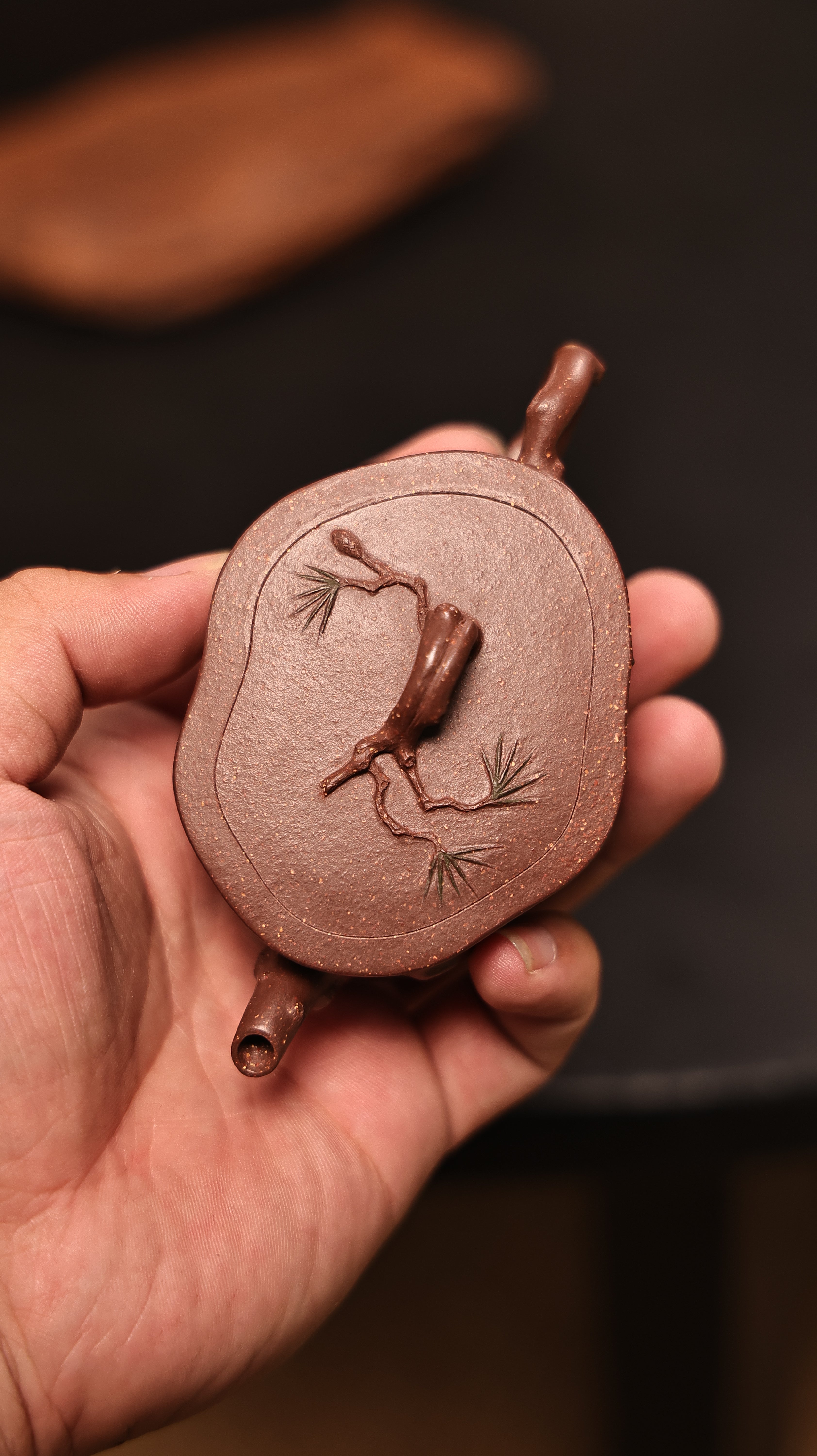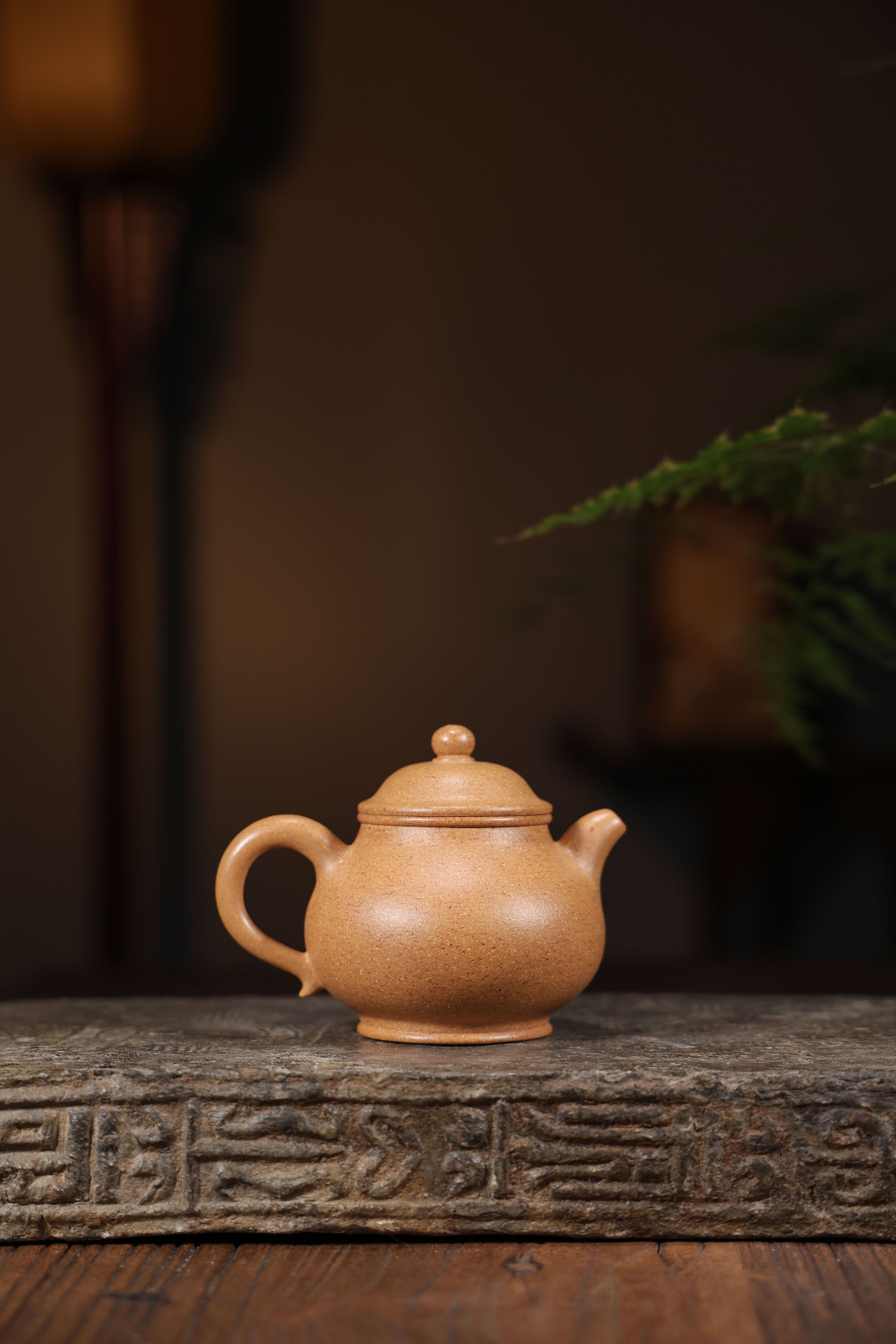
Ages of lovers have long pursued the uncommon fascination of Yixing Zisha pitchers. Originating in the quaint town of Yixing, the territory, these urns are constructed from a scarce and dug purple clay recognized for its extraordinary thermal attributes and capacity to enhance the flavor of potions. Outside of their utilitarian importance, Zisha teapots embody a rich legacy foundation, transforming them immensely prized and a bona fide marvel for any devoted teapot lover.
Surveying Yixing Containers
Authentic teapots represent a distinct integration of history and skilled craftsmanship. Originating in Yixing, Jiangsu Locale of China, their narrative extends to the Ming Dynasty, although indications suggest earlier models. The exclusive purplish clay, called Zisha, found just in the Yixing region, is the integral component, contributing to the pots' excellent heat keeping and the manner they alter the taste of tea. Dynasties of potters have refined techniques—often relayed through families—including forming the clay, applying sophisticated embellishments, and firing the pots at controlled temperatures.- Historically, Yixing teapots were often furnished with simple designs.
- Afterwards, more intricate carvings and graphic motifs became accepted.
- The heat treatment itself is a key element, requiring considerable time of experience.
Acquiring Zisha Teapots: Vital Considerations
Launching a quest to obtain Zisha jars can be satisfying, but it’s required to know what to seek. Authenticity is principal; focus on the substance’s natural hue, a soft reddish-brown is traditional. Examine the feel; genuine Zisha has a special tactile sensation, often noted as slightly textured. The contour should be symmetrical and consistent with historical styles, while inscriptions, if present, require painstaking examination for validity. Don’t resist to consult with qualified collectors or trusted resources – their understanding is invaluable.
A Earthenware: Understanding the Lineage of Yixing Zisha Clay
Generations have seen Yixing Violet Clay teapots preserve a special role in Chinese Zisha Teapot tradition. These carefully constructed pots, sourced specifically from the region of Yixing, are renowned for their recognizable tone, surface, and their ability to develop the bouquet of potions. Countless collectors value antique Yixing teapots, coveting them highly not only for their aesthetic charm, but also for the past they symbolize.
Yixing Zisha Teapots: Unique Foremost Forms and Their Properties
Zisha Ware teapots, rooted in the genuine zone of Yixing, the realm, are distinguished for their exceptional clay and remarkable brewing powers. Amongst the several Zisha types, the selections that are highly treasured include Baiwei. Binzhou, known for its vivid purple shade and velvety texture, delivers a soft flavor. Duan Ni clay, recognizable by its reddish color and somewhat grainy feel, is viewed to enhance the depth. Lastly, Zhuni clay boasts an rare burgundy tone and can bestow a mild nuance. Each type affords a singular experience, enabling them extremely desirable to potion enthusiasts.
Conquering A Yixing Jar
To discover the magic of your Yixing urn, comprehending the correct technique is necessary. These clay earthenware, celebrated for their permeability, will gradually embrace the heart of the tea you brew within them. Begin by cleansing the vessel thoroughly with steaming water. Then, use only fine whole leaf tea, as lower quality options can impair the container’s delicate flavor profile. Always permit the leaves to open completely, and remember that with each application, your Yixing vessel will become perpetually special.
Protecting Your Invaluable Zisha Treasure
Proper treatment for your Zisha teapot is crucial to safeguarding its beauty and merit. Zisha clay, hailed for its unique nuance and consistency, requires precise handling. Never use strong formulas, as these can damage the veneer. After every use, rinse the container with room temperature water and allow it to dehydrate completely.
- Resist soaking the vessel for extended phases.
- Periodically use a soft piece of cloth to refresh the exterior.
- Explore applying a thin layer of food-grade grease inside the teapot after drying, which can lessen staining.
A Beginner's Guide to Yixing Containers
Yixing kettles, originating from the Yixing area in Jiangsu Province, part of China, are celebrated for their distinctive peculiarities. Made from the unique purple ground known as Zisha, these earthenware are prized by concoction enthusiasts worldwide. This introduction will concisely explain the pillars – covering types of Zisha earth, frequent shapes, and critical care helpful hints. Understanding the history of Yixing vessels can strengthen your appreciation for this revered example of Mandarin culture.
Skill of Mandarin Containers: Showcasing Zisha deriving from Yixing City
Zisha ware from the Yixing area represents the summit of Oriental pitcher design, projecting a uncommon blend of natural beauty and practical artistry. These exceptional pieces are famed for their intense shades, often covering robust purples and chestnut hues to light greys and gentle beiges. The unique mineral composition of the indigenous Zisha terrain imparts a identifying texture and yields a desirable aroma that boosts the entire infusion experience, causing them very desired collectibles and essential components of any serious tea.